AI for Logistics and Freight Companies: Tracking and Quotes Without the Phone Queue
AI for freight companies answers tracking and shipping quotes instantly on WhatsApp, no dedicated agent needed. See what you can automate today.
On this page
“Where is my shipment” is the question that rings the phone the most at any freight company. The customer wants to know where an order is, how much it costs to ship another batch, or why a delivery is late, and whoever answers is always pulled off another task to open the system, look up the tracking number, and dictate the same information for the tenth time that day.
AI for logistics does not replace the operations team or decide delivery routes. It handles the part that eats time without requiring judgment: answering tracking questions, putting together a simple quote, and warning customers before they have to call and ask. This guide shows what you can already automate today across three fronts, without switching TMS or touching the system that already runs the operation.
What clogs a freight company’s support today

The volume of questions does not go down, it just repeats. Three points concentrate most of the support team’s wasted effort:
- Tracking is the most repeated question and the one that needs a human the least. “Where is my shipment” has an objective answer inside the system. Every time an operator stops another task to look it up, the cost is not just the time spent, it is the queue building up behind it.
- A simple quote takes hours when it could be instant. Weight, origin, destination and deadline are enough for an estimated price in most cases, but the customer emails, waits for a reply, and sometimes closes with the competitor who answered first.
- A delay becomes a phone call instead of a heads-up. When the update does not arrive proactively, the customer finds out about the delay by calling in annoyed, instead of already knowing through WhatsApp that the delivery window changed.
None of these three points require a complex decision. They require a fast, consistent answer, which is exactly what eats up most of the team’s time today.
Automated tracking: instant answers, no operator in the middle

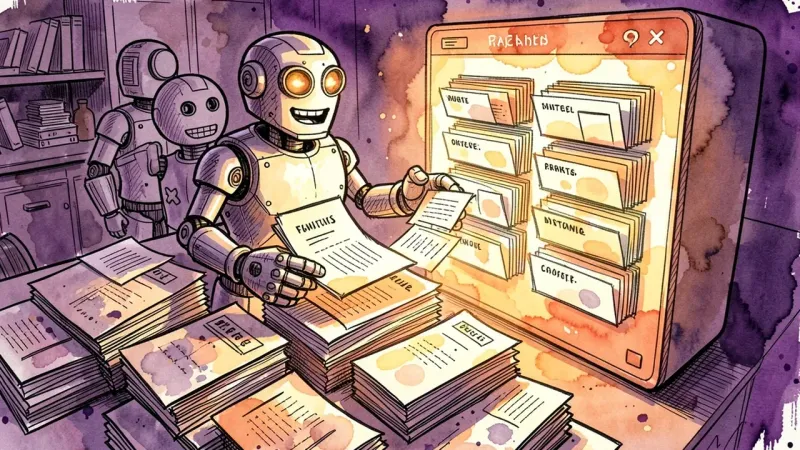
Automated tracking is an agent answering shipment status the moment a customer sends the order number or tax ID over WhatsApp, checking the system in real time, with no person in the middle.
In practice, it changes three things:
- Answers in seconds, any time of day. A customer messages at 9pm and gets the status right away, not the next morning when the team is back online.
- Pulled straight from the source, never outdated. The agent connects directly to the tracking system integration, so the answer reflects real status, not a spreadsheet copied that morning.
- The support team is left for real exceptions. Lost cargo, damage, a delivery that needs negotiation: that still goes to a person. The repetitive volume leaves the queue.
This does not replace whoever handles a customer with a real problem. It replaces whoever answers a question that already has an obvious answer sitting in the system.
Freight quotes without waiting on an email reply

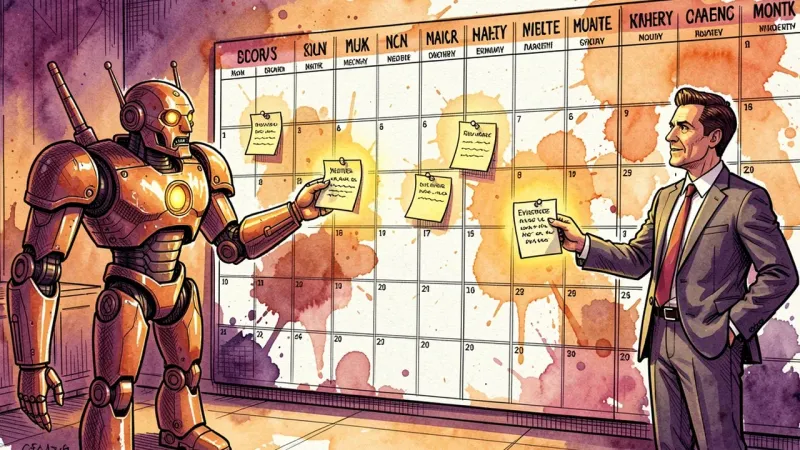
Automated quoting is an agent asking for the data that sets the price (origin, destination, weight, dimensions, deadline) in a short conversation, calculating the estimated value with the carrier’s own rules, and delivering the quote without going through the email funnel.
The gain shows up in two moments:
- Fast close for customers who already know what they want. A repeat customer who just needs a number to decide does not wait for a sales rep, gets the quote in the same conversation and can confirm the shipment right away.
- Non-standard cases move to sales already qualified. Oversized cargo, an unusual route or a contract negotiation goes to a rep, but arrives with the basic data already collected, not starting the conversation from zero.
A fast quote is not just convenience. In freight, whoever answers first usually wins the deal.
Proactive alerts: fewer “where is my shipment” calls

A proactive alert is the agent sending a status update without the customer having to ask: out for delivery, arrived at destination, delivery window changed. Every message sent proactively is one less call in the support queue.
Two scenarios cover most of the gain:
- Schedule changes flagged before the customer notices. If the delivery estimate changes, the agent sends the new window as soon as the system updates, instead of the customer finding out on their own and calling in upset.
- Automatic delivery confirmation. As soon as the system logs the delivery, the customer gets a confirmation, closing the loop without needing to ask if it arrived.
The support team stops reacting to questions that already had an answer before the phone rang. And the customer gets the feeling of being kept informed, instead of chasing information down.
Does this replace the TMS or the system the company already uses?

No. The AI agent is not a new transport management system, it is the conversation layer on top of what already exists. It queries the TMS, the ERP or the tracking spreadsheet through an integration, and turns the answer into natural language for whoever is on the other end of WhatsApp.
In practice that means three things for whoever is evaluating this:
- No system swap. The TMS stays the source of truth for route, status and price. The agent just reads that information and presents it in a way the customer understands without picking up the phone.
- Rollout by integration, not migration. Connecting the agent to the current system is days of work, not the months-long project of switching management platforms.
- Grows with the operation. A new type of question, a new support channel, or a new internal process (like incident triage) come in as an adjustment to the agent, not a new system license for every front.
That matters because the biggest fear for anyone evaluating logistics automation is not whether the AI works, it is whether it becomes one more system to keep running alongside what already exists. It does not: the agent fits inside the flow that is already there.
Want to automate tracking, quotes and delivery alerts without switching TMS or relying on more people answering the same order number all day? On SquadOS you build the agent by talking to it (AgentMaker), connect it to WhatsApp and 100+ native integrations, and it improves on its own with AutoLearn as it answers real questions from your customers.