AI performance reviews: how to move past the annual form without turning into surveillance
AI performance reviews pull evidence from the whole cycle, not a manager's memory of last month. See what to automate and how to build the agent.
On this page
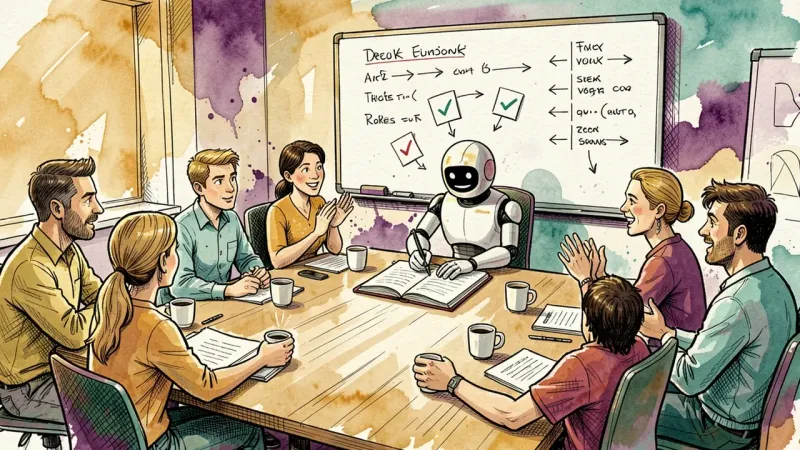
Most performance reviews are polite fiction. The manager tries to remember in October what the team shipped back in February, overweights whatever happened last week, and fills out a form nobody reopens until the next cycle. The employee walks out feeling like the score was already decided before the conversation started. HR knows the process is shaky, but swapping tools doesn’t fix the real problem: there’s no evidence, only memory.
An AI performance review agent attacks that root cause. Instead of asking the manager to reconstruct a whole year from memory, it logs what actually happened month by month and hands that over ready for the conversation. Here’s what it does in practice, how to build one, and where governance has to step in.
Why the annual review measures a manager’s memory, not the team’s work
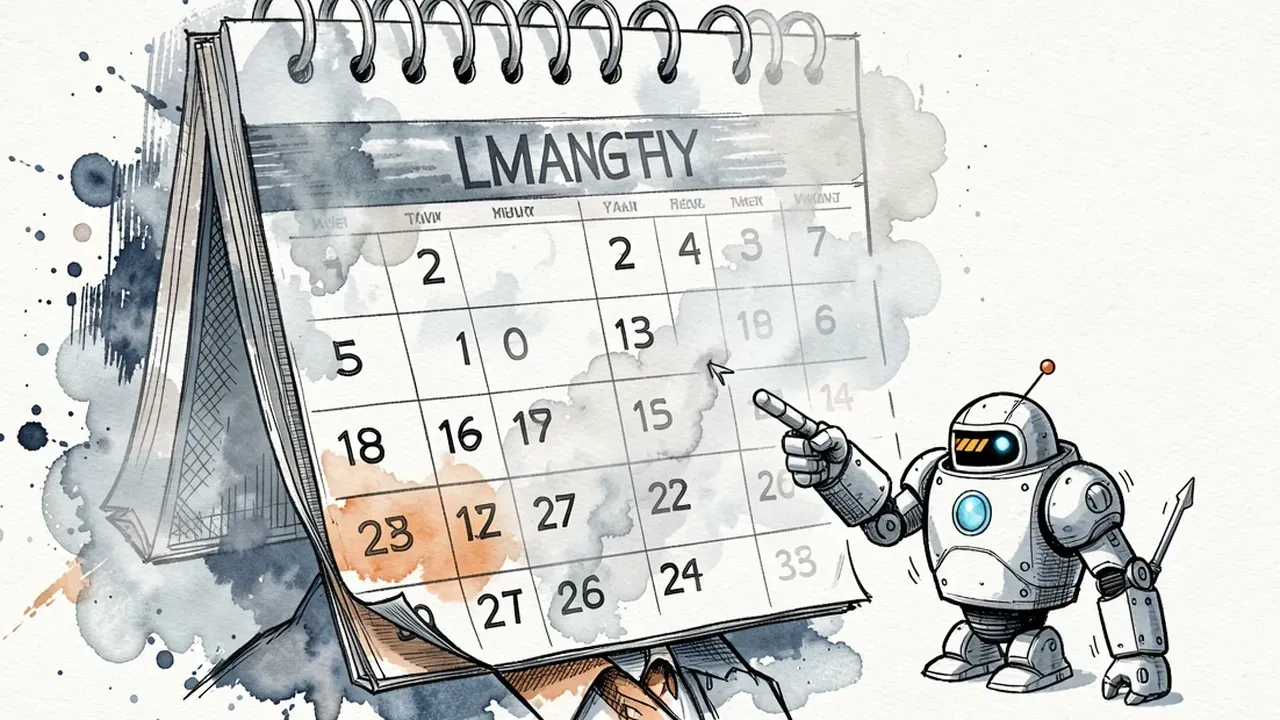
The technical name is recency bias: the human brain remembers what happened two weeks ago far better than what happened eight months ago. In an annual review, that means the project that stalled in March is already forgotten, but the clumsy email from September is still fresh. The final score reflects the last few weeks, not the whole year.
There’s a second effect riding along: the halo effect. Whoever made a strong impression in one important meeting carries that impression into everything else, even when the numbers say otherwise. And whoever does solid, quiet work disappears from the radar precisely because they never created a moment the manager remembers.
The cost isn’t just individual unfairness. Without a consistent standard, different teams end up calibrating the bar differently: one strict manager scores the same output low that a more generous manager would call great. HR tries to fix this in a last-minute calibration meeting, comparing impressions that were already skewed to begin with. And the employee who notices the inconsistency, and they always do, stops taking the process seriously. The review turns into a twice-a-year performance of management, not a management tool.
What an AI performance review agent actually does
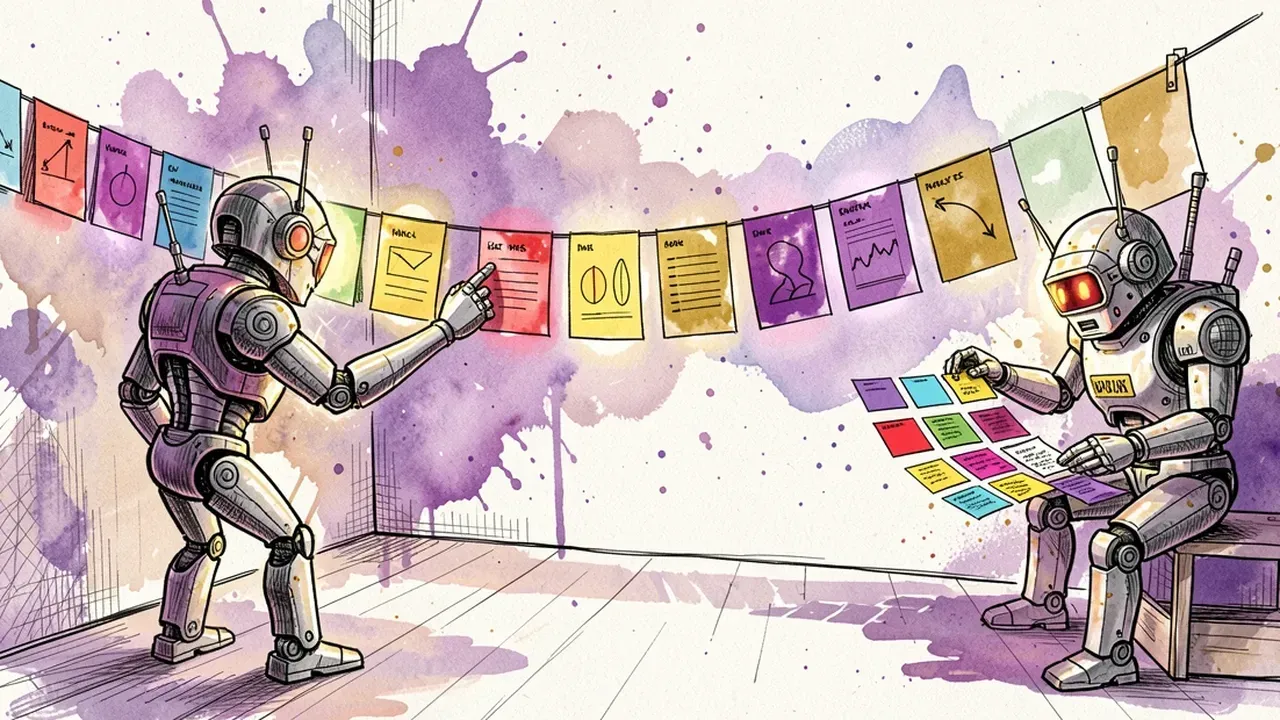
An AI agent doesn’t replace the manager’s judgment. It makes sure that judgment starts from data, not loose memory. In practice, it handles:
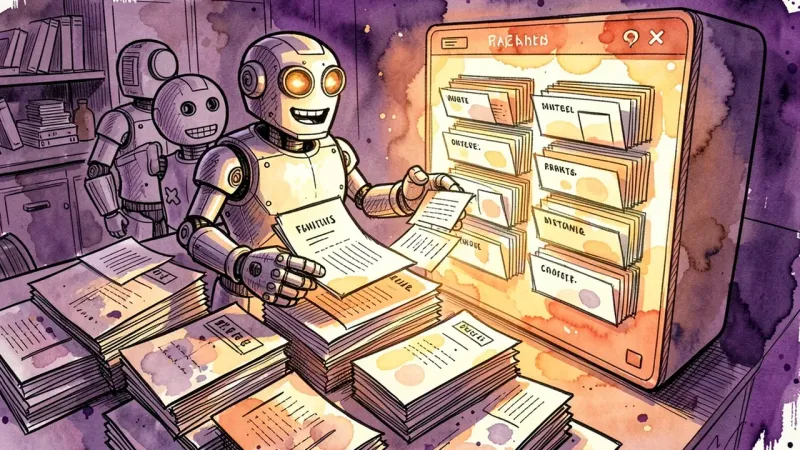
- Collecting evidence all year, not the week before the cycle. Completed deliverables, goals hit, tickets closed, project involvement, informal feedback already shared inside the Hub. All of it gets logged as it happens, not reconstructed from memory three months later.
- Flagging patterns before the meeting, not during it. If someone has been consistently beating targets, or a performance dip has lasted two quarters, the agent surfaces that ahead of time instead of letting the manager discover it live.
- Drafting the review based on real data. The manager doesn’t start from a blank page. They start from a month-by-month summary and edit it, adjust the tone, add the context only they have.
- Standardizing criteria across teams. Every review follows the same question structure and the same evidence source, which makes calibration between managers faster and far less political.
- Keeping an auditable history of every cycle. Score, criteria used, and the evidence behind the score all get recorded. If someone challenges a review six months later, the answer is in the record, not in someone’s memory of the decision.
The real gain isn’t automating a decision about someone’s career, that decision stays human. It’s making sure that decision is grounded in what actually happened, not in whoever had the most visible week before the form closed.
How to build your AI performance review agent in 4 steps
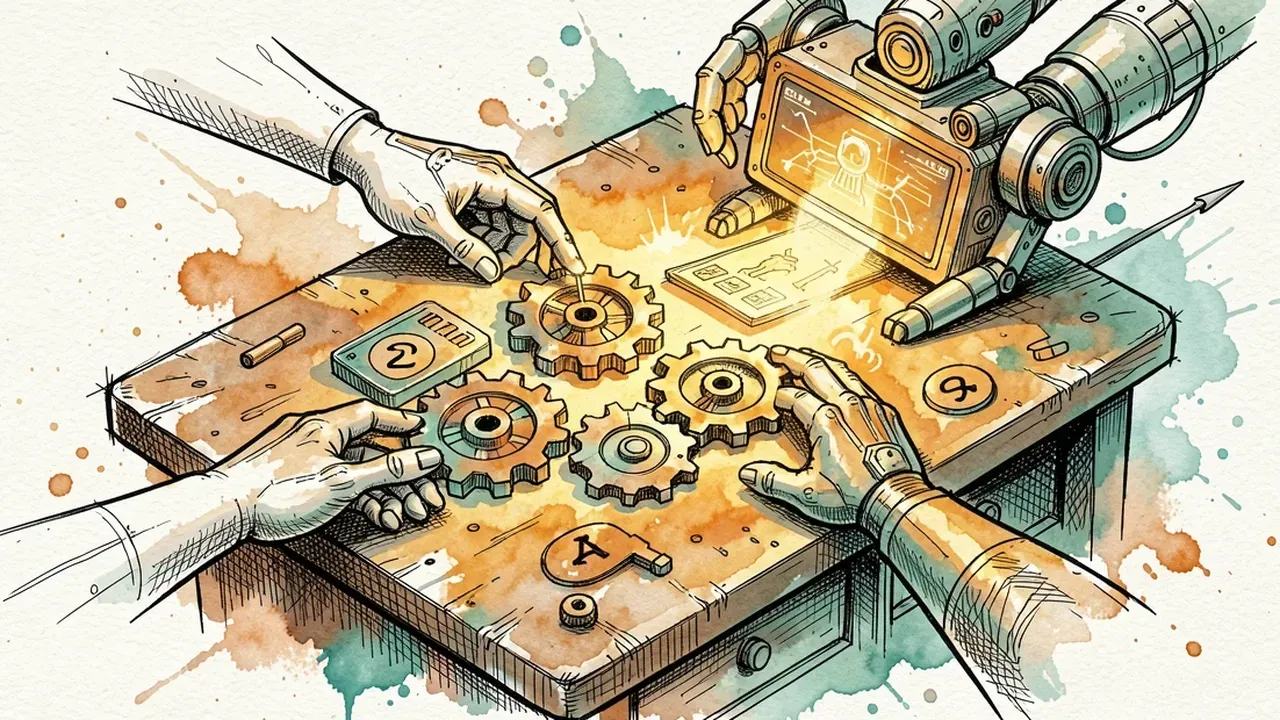
You don’t need to switch HR systems or wait on a months-long IT project.
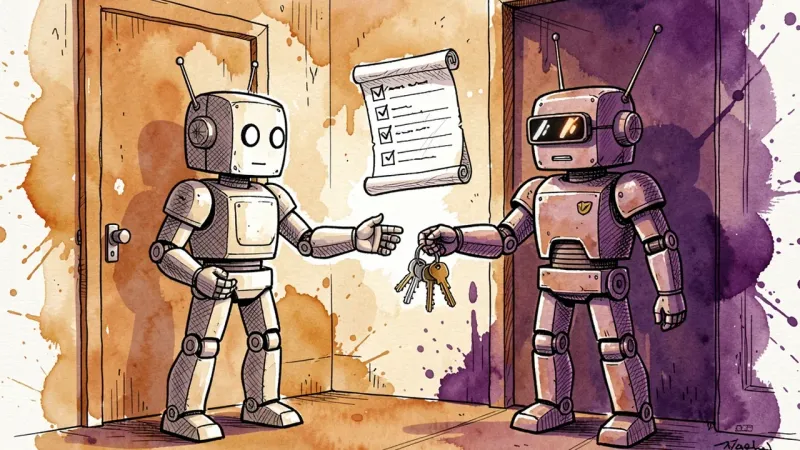
- Define your criteria and where the evidence for each one lives. List what actually matters for the role (goals hit, delivery quality, collaboration) and where that information already exists: your ticketing system, CRM, project tool, or Hub conversation history.
- Describe the agent in plain language. Say what it is (“performance review agent, gathers evidence through the cycle and drafts the review”), how often it collects data, and the tone of the draft it produces (descriptive, no built-in opinion).
- Connect the agent to the tools where the work happens. Link it to your task system, CRM, Hub, and any source that already records what each person delivers. The more sources connected, the less manual reconstruction lands on the manager.
- Run a pilot cycle with one team and calibrate. See where the evidence came up thin (there’s usually a source nobody had mapped) and where the draft needed more human editing than expected. Adjust the criteria before rolling it out company-wide.
On a platform built for creation by conversation, those four steps fit inside a single chat: you describe the process, and the agent is born with the right criteria, connected sources, and draft format.
Governance: review data is sensitive, and algorithmic bias is real
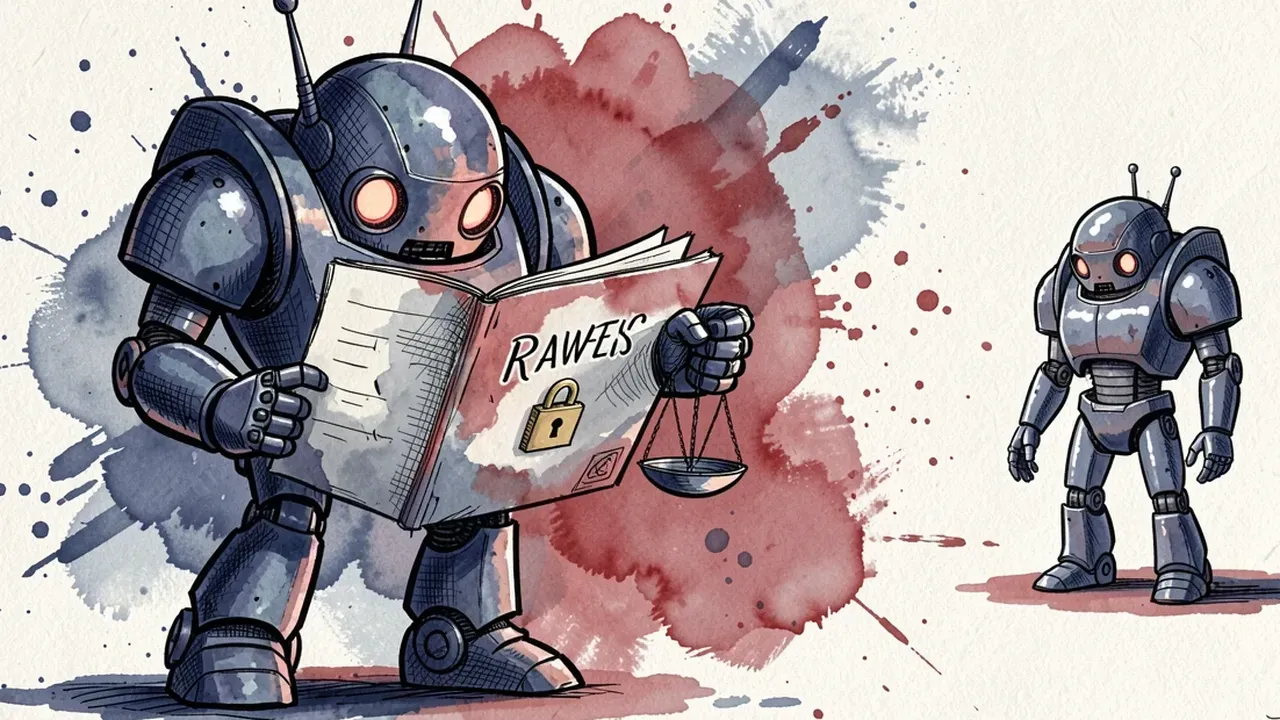
Performance reviews sit at the intersection of two risks at once: sensitive data and a decision that affects someone’s career. Three safeguards handle most of it.
- Scores and justifications stay with the people who need them. The direct manager, HR, and the employee being reviewed. Never surface performance history in a wide Hub channel or an integration the whole team can access.
- The agent flags patterns, the final call stays human. It shouldn’t issue a score on its own or recommend termination. Its job is to organize evidence and surface trends. The manager decides, with the context only a person has.
- Criteria and evidence stay auditable, not just the final score. If an employee disputes a review, the company needs to show what backed that score, not just repeat the number. That protects both the employee and the company in any labor dispute.
One more thing worth watching: algorithmic bias isn’t hypothetical. If the data source itself is skewed (say, teams that document more inside the system look more productive than teams delivering the same output but logging less), the agent reproduces that bias with the appearance of objectivity. Periodically auditing whether any specific group is systematically scored lower without a delivery explanation is how you catch that before it becomes an institutionalized pattern.
With those guardrails in place, the performance review stops being the cycle everyone tolerates and becomes a tool the manager actually uses to decide on promotions, development plans, and hard conversations, backed by evidence, not by what happened last week.
Ready to stop deciding performance reviews based on last week’s memory? On SquadOS you build the review agent by chatting inside AgentMaker: describe the criteria, connect it to the tools where the work already happens with 100+ native integrations, and every cycle comes out with recorded evidence, not last-minute opinion.