AI for law firms: automate case intake and case status updates
AI for law firms handles case intake, answers case status questions, and organizes internal legal research, without replacing the attorney.
On this page
Every law firm runs into the same bottleneck. The phone keeps ringing, WhatsApp fills up with messages, and a big chunk of the team’s day turns into triage: who is this person, does the case fit an area the firm actually handles, and what happened with an existing client’s case. That is not legal work. It is administrative work wearing an urgent mask, and it eats the hours an attorney should spend drafting, preparing for a hearing, or thinking through case strategy.
AI for law firms does not replace an attorney on anything that requires judgment. It handles what jams up before that: understanding what a prospective client actually needs, answering an existing client about case status without promising a deadline, and surfacing the draft template or precedent the team already used before. This guide walks through three areas you can automate today, with one hard rule running through all of them: the agent organizes, the attorney decides.
What eats up a law firm’s time today

Contact volume is rarely the real problem for a firm. The problem is that every message has to pass through the same question before it becomes actual work: is this a new case or an existing client, does it fit the firm’s practice area, and who on the team should look at it first. Three things eat most of the wasted time:
- Manual intake for every new case. Someone on the team, sometimes the partner themselves, stops what they are doing to hear a full story, decide whether it fits the firm’s practice area, and only then book a consultation. Most of those stories never become a client.
- “What’s the status of my case” asked every single day. An active client asks about status without knowing the answer is already sitting in the case management system. The question arrives by WhatsApp, by phone, sometimes both at once, and someone has to stop and go check.
- Finding the right template again. A similar filing was drafted last month, but it is buried in a file on someone else’s computer. Time spent hunting for what already exists competes with time spent writing what is actually new.
Automating these three areas does not change the firm’s legal work. It changes how many hours are left over for it.
Case intake without pulling anyone out of a hearing
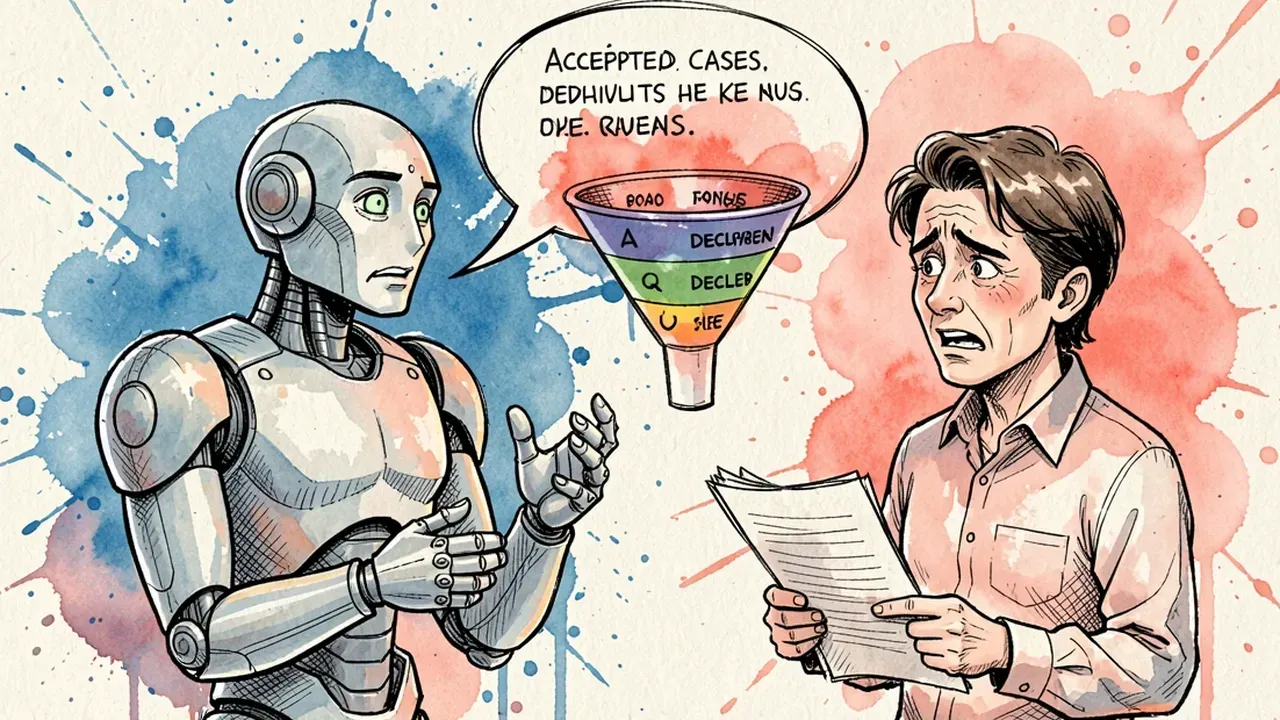
Automated intake is an agent talking to whoever reaches out for the first time, on WhatsApp or the website, asking the questions the firm always asks: what happened, how long ago, is there already an open case, and what does the person expect. From there it classifies the practice area and checks whether it fits what the firm handles.
In practice, the gain shows up in three places:
- Instant response, any time of day. Someone describes their problem at 9pm on a Friday and does not wait until Monday for a callback. Whoever responds first usually keeps the client.
- Consistent classification. Every story goes through the same sequence of questions, so whoever reviews the intake gets a comparable summary instead of a note scribbled down however the person on the phone remembered it.
- Consultation already booked with the right attorney. If the case fits the firm’s practice area, the agent books the consultation directly on the calendar of whoever handles that type of matter, without passing through three people first.
The hard rule always applies: the agent never gives legal advice, never estimates chances of winning, and never quotes a decision timeline. Every output is flagged as supporting material for the responsible attorney to review, never as a closed conclusion.
Case status updates without interrupting whoever is working the case
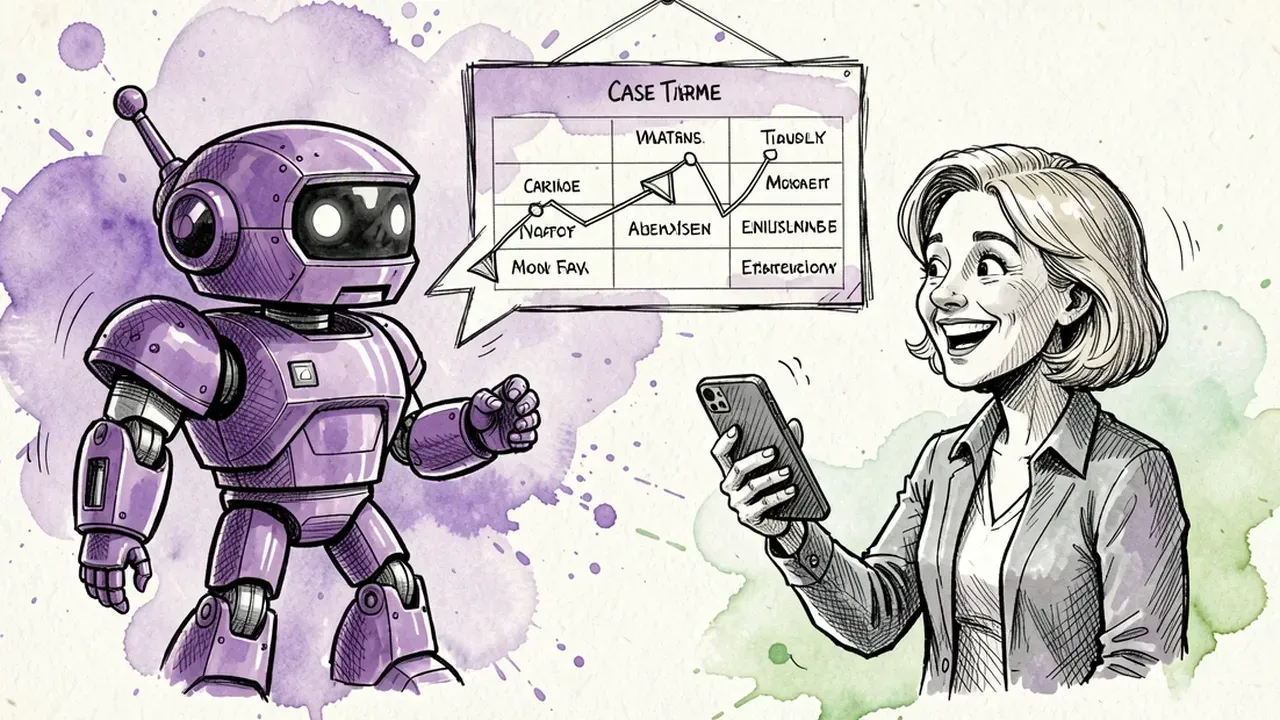
“What’s the status of my case” is the question that interrupts people the most, precisely because the answer almost always already exists in the system. It just needs to be pulled and translated into plain language. An agent connected to case status responds directly on WhatsApp: the latest update, what it actually means in practice, and the expected next step.
What changes for the client and the team:
- Answers without waiting for a callback. A client asks and gets the latest update immediately, instead of leaving a message and waiting for someone to check later.
- Language the client actually understands. Instead of copying raw text from the case management system, the agent explains what that update means in practice, without inventing a timeline the case does not have.
- The team is free to handle only what truly needs judgment. The repeated question drops out of the attorney’s queue. When they do get pulled into the conversation, it is because the case genuinely needs a decision from them, not because someone just wanted an update.
The agent never promises a decision timeline or guarantees an outcome. It reports what is on file, with the caveat that procedural deadlines depend on the court, not on the firm.
Internal research: finding the template and precedent the team already used
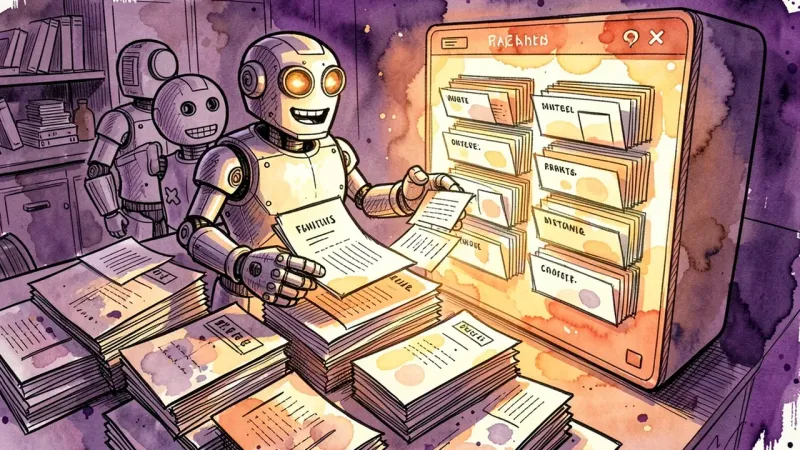
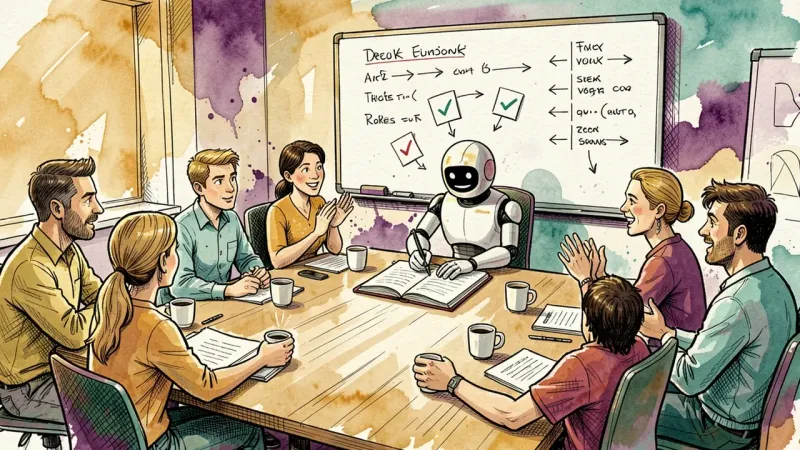
The third area does not face the client at all. It lives inside the firm, in the room where the team discusses active cases. A research agent, called by mention right inside that conversation, digs through the firm’s draft templates, curated case law, and prior material on a given legal theory, and drops the answer right there in the thread.
This solves a specific problem that shows up as a firm grows: knowledge lives in the head of whoever drafted the filing, not written down anywhere someone else can find later. With the firm’s knowledge base indexed, the agent surfaces:
- The closest matching template to whatever is being drafted right now, right in the room where the team is already discussing the case.
- The curated case law the firm already gathered on that legal theory, without having to ask around for whoever handled a similar case last year.
- The conversation history behind the question, because the agent reads the room instead of starting from zero every time.
Less time spent hunting for what already exists means more time spent writing what does not exist yet.
Want to automate new case intake, status updates, and internal research for your firm without hiring another person just to handle it? On SquadOS you build these agents by talking to AgentMaker, connect them to WhatsApp through 100+ native integrations, and AutoLearn keeps improving the knowledge base on its own as the team uses it.