SquadOS vs n8n: Which One Should You Pick for AI Automation
n8n is a workflow engine you wire node by node. SquadOS is a ready AI platform with governance built in. Here is the real difference before you pick one.
On this page
Every company that decides to automate processes with AI hits the same fork in the road. Build the automation piece by piece on a workflow engine, or subscribe to a platform that already ships ready to chat, support and automate. n8n is the most cited example of the first path. SquadOS is the second.
They are not competitors in the classic sense. They are two different philosophies for solving the same problem: getting AI to work inside a company without turning into a mess. This article compares them directly, without pushing the wrong product on the wrong team.
What each one actually is
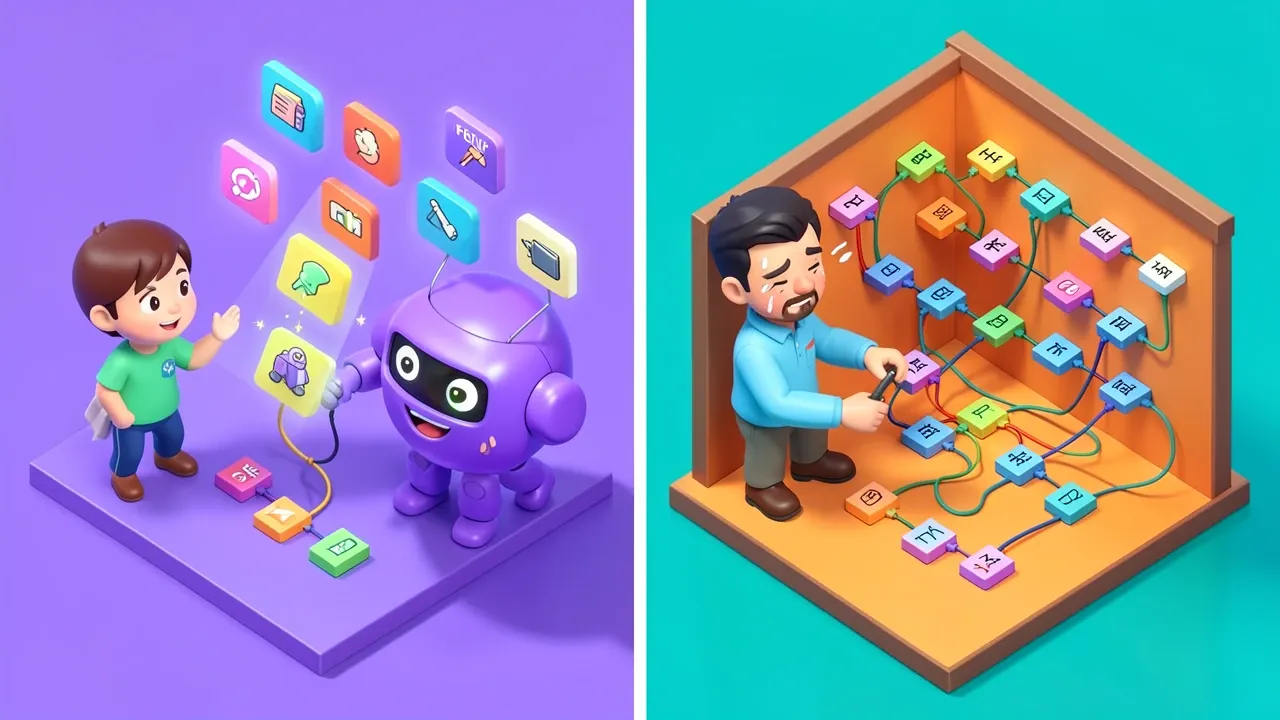
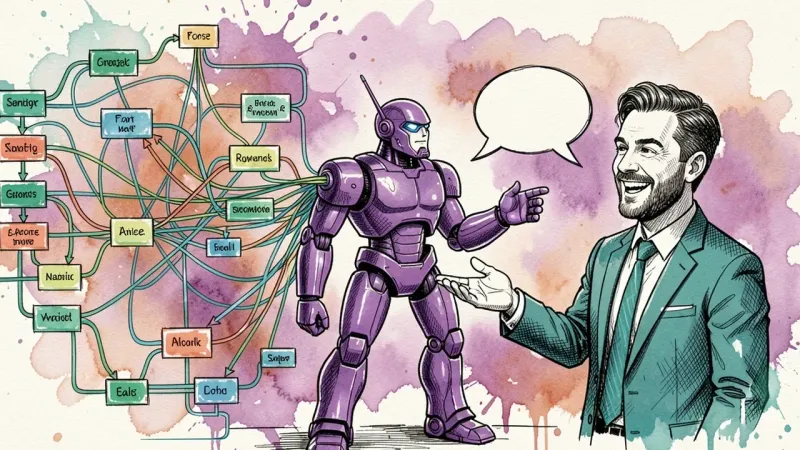
n8n is a workflow automation engine. You build visual flows by connecting nodes: a trigger, an API call, a condition, an action. Since 2023 it gained AI nodes (LangChain) that let you plug a language model into a flow. It is open source, can run self-hosted or on n8n’s own cloud, and is flexible enough to connect almost any system with an API.
SquadOS is an AI platform built for companies. It is not a generic automation engine: it is the ready environment where employees chat with models, internal agents automate processes and external agents handle customer support, all with governance built in from day one. You do not assemble the AI infrastructure, you use one that already exists.
The core difference: n8n hands you the parts and the workbench. SquadOS hands you the finished machine, with the safety controls already switched on.
Setup: node by node vs a conversation
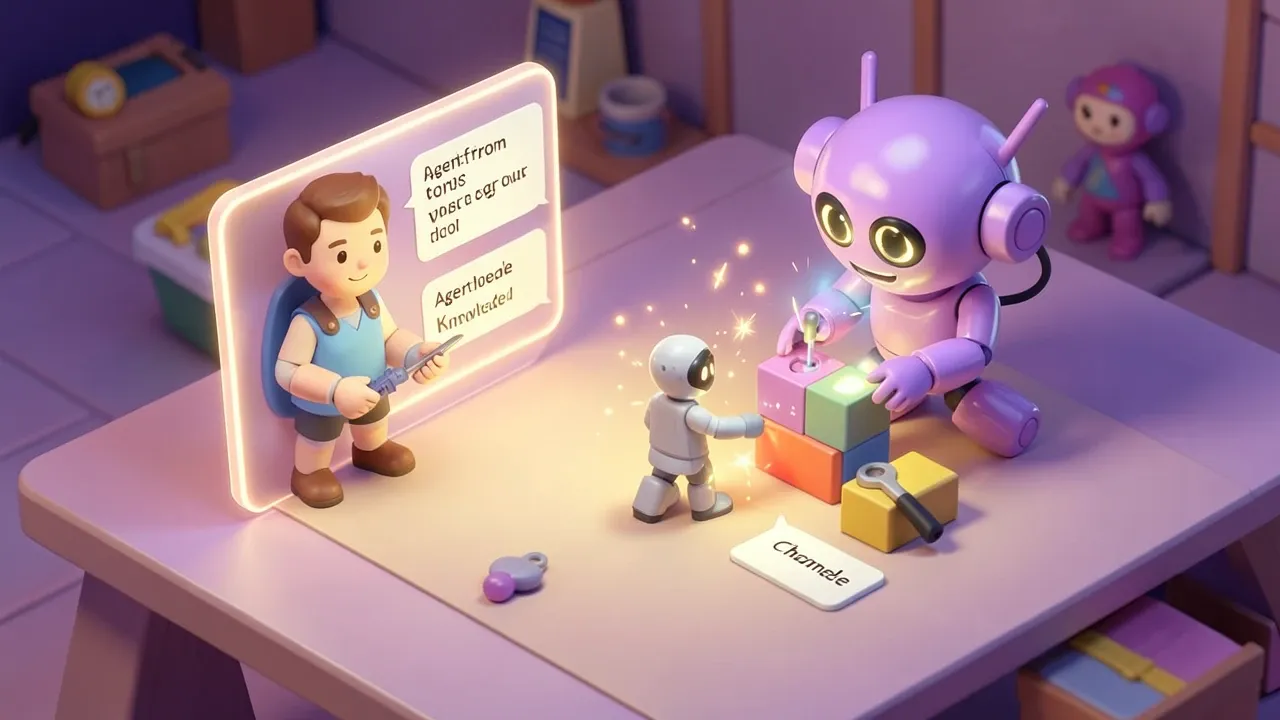
Building an AI agent in n8n is workflow work. You drag the model node, wire the API key, set the prompt in the right field, chain the tool, test the run, fix what breaks. It works well, but it needs someone technical dedicated to keeping it running, especially once the flow grows to ten connected nodes.
In SquadOS, AgentMaker builds the agent through conversation. You say what you want, it suggests the prompt, picks the tools, connects the knowledge base and the channels. No workflow to write, no nodes to understand, no prompt engineering. Whoever understands the process builds the agent, not whoever understands infrastructure.
That difference changes who can actually operate each platform day to day:
- n8n needs a technical team available to build and maintain the flows.
- SquadOS lets the business team (support, sales, HR) create and adjust the agent on its own.
Governance, channels and upkeep
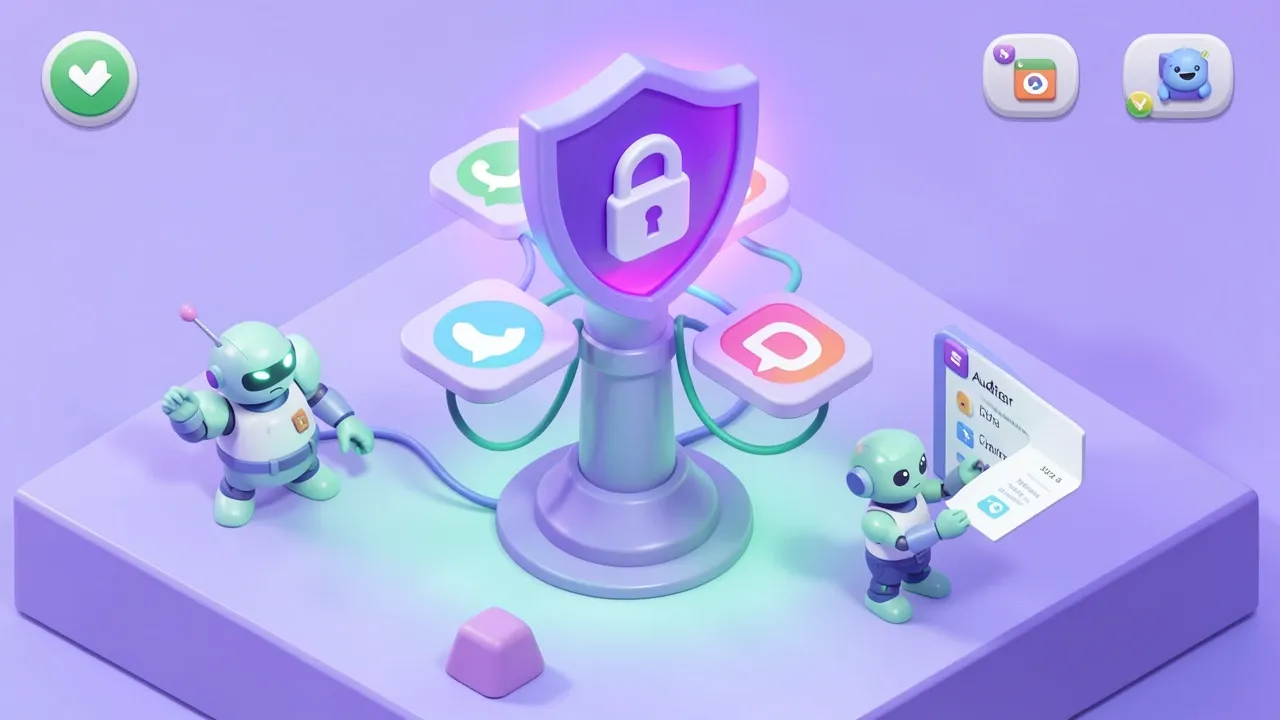
Automation that touches customer data or speaks on the company’s behalf needs control. This is where the gap between the two tools shows the most.
n8n was not built as an AI governance platform. Audit trails, PII guardrails, brand-voice enforcement and native WhatsApp or Telegram channels do not come out of the box. Each piece is one more node to configure and maintain, and keeping it all secure is on you.
SquadOS ships with that already on. Native guardrails against hallucination and personal data leaks, a full audit trail of every conversation, official WhatsApp, Telegram and website channels connected without manual integration. The knowledge base takes PDFs, links or plain text and indexes them automatically. You do not build the security layer, it is already in the product.
The other side of the coin is upkeep cost. An n8n flow breaks when a system’s API changes, when the AI node needs tuning, when volume grows and the self-hosted server chokes. Keeping that healthy is ongoing technical work. In SquadOS, keeping the AI infrastructure (models, channels, guardrails) running is the platform’s job, not yours.
How to decide between the two

The right choice depends on who will operate it and what you are automating, not on which tool is “better” in the abstract.
n8n makes sense when you already have a dedicated technical team, the process is a systems flow (moving data between a CRM, a spreadsheet and a legacy system), and AI enters as one more step inside a larger workflow that nobody on the business side will ever touch.
SquadOS makes sense when the goal is putting AI in front of customers or automating internal work safely, without depending on an IT queue for every tweak, and when governance (audit trail, guardrails, official channel) is not optional. Companies that already use n8n for systems orchestration often also use SquadOS as the conversation and support layer. One does not replace the other by nature.
If the question is “I want my company chatting and supporting customers with AI safely, without building the infrastructure from scratch,” the answer leans toward SquadOS. On SquadOS you get an internal hub, internal agents and external agents in a single platform, with native governance, agents built by conversation, and 100+ integrations, without having to become a workflow engineer just to put AI to work.