AI for pharmacies and drugstores: WhatsApp support, delivery tracking and refill reminders
AI for pharmacies answers WhatsApp questions, tracks deliveries and reminds patients to refill medication, without replacing the pharmacist on clinical advice.
On this page
It is 10pm and the pharmacy’s WhatsApp keeps buzzing. One customer asks if a specific antihistamine brand is in stock. Another wants to know if the courier already left with the order placed forty minutes ago. A third one, who takes a maintenance medication for blood pressure, forgot to reorder and only realizes it when it’s time to take the pill. None of the three gets an answer until the counter opens again, and in the case of the maintenance medication, the missing reminder can mean a day without treatment.
Pharmacies and drugstores deal with a message volume that never stops, mixing stock questions with delivery tracking, and it carries a weight few other industries have: what’s being sold is medication, not a generic product. Most of that volume is repetitive and automatable with AI, as long as the line between “routine information” and “clinical guidance” is clear from day one.
Pharmacy support runs on a different rulebook
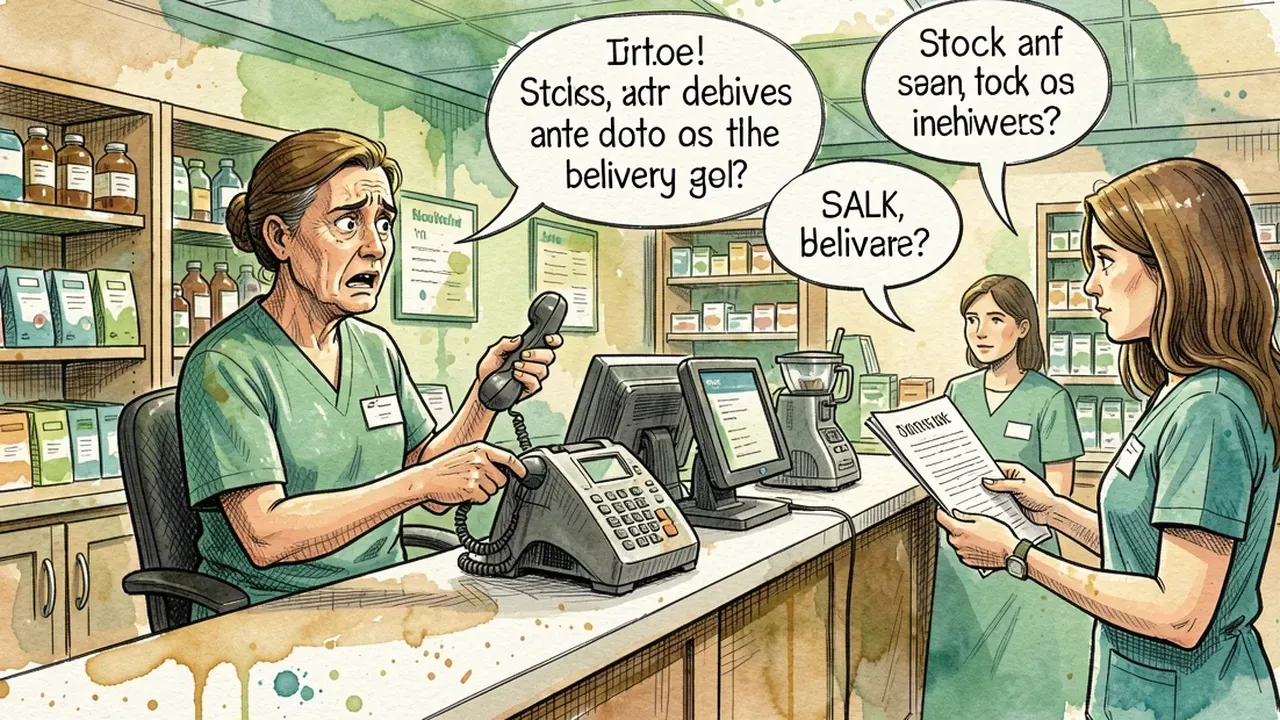
A restaurant gets a message spike at lunch and dinner. A pharmacy gets messages all day long, unpredictably, because nobody plans to need medication. The most common question isn’t about price or hours, it’s about availability: “do you have this medication in stock?”, “will you still deliver today?”, “has my order shipped yet?”. Each of these questions requires checking real stock and real delivery status, not a canned reply.
Add to that the sensitive part of the industry. A share of what comes through chat is a genuine request for guidance on a symptom, a drug interaction or a dosage, and that’s work exclusive to the licensed pharmacist, never an AI agent. The line separating “AI handles this alone” from “this needs a trained human” has to be defined before any automation goes live, because getting it wrong here doesn’t just cost a sale, it puts someone’s health at risk.
This creates a common bottleneck: hiring more people for the counter and for WhatsApp doesn’t separate the repetitive volume from the volume that needs clinical judgment. The drugstore ends up with more people answering the same stock question, while the customer with a real question about a medication waits in the same line.
What an AI agent actually handles
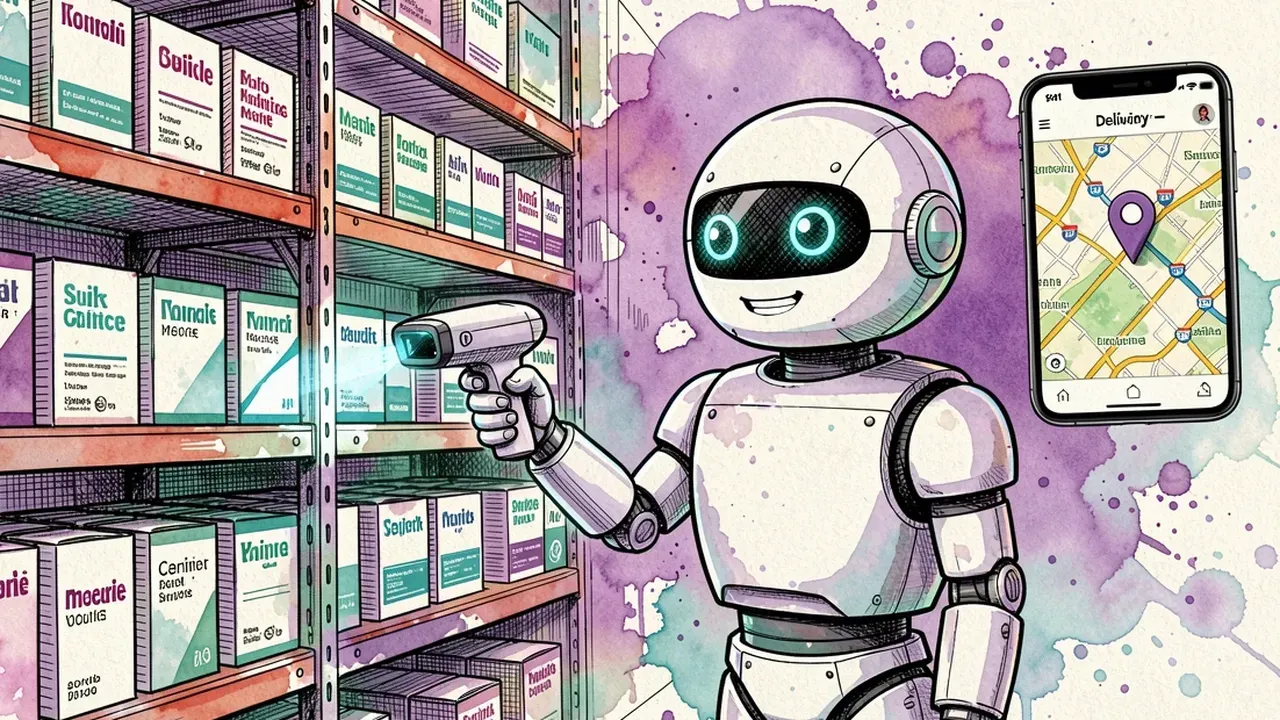
The operational, repetitive part of pharmacy support is exactly where an AI agent on WhatsApp delivers fast value, without ever stepping into clinical guidance territory:
Real-time stock lookups right in the conversation, telling the customer if a product is available at the nearest store without a phone call. Automated delivery tracking, letting customers know when the order shipped, who the courier is and the estimated time, before they even ask. Refill reminders for maintenance medication, calculated from the customer’s previous purchase frequency and sent a few days before it runs out. Order confirmation and recurring prescription reorders, closing the purchase for registered customers without red tape.
Each of these tasks today eats up minutes of an attendant’s time that could go to someone standing at the counter. A small chain with three stores and one central WhatsApp feels this every single day: half the messages are “is it in stock?” or “where’s my delivery?”, and the human attendant spends the whole morning on that instead of helping someone with a real question about the medication they’re buying.
Where the line with the pharmacist never moves

Here the rule is strict and there’s no gray area: any question about symptoms, medication indication, drug interactions, dosage or active ingredient substitution goes straight to the licensed pharmacist, without the agent attempting a generic approximation. It’s not that the agent “doesn’t know enough yet.” That guidance requires a professional license, and no AI platform should pretend to replace it.
In practice, the agent recognizes the pattern of the question (“it hurts”, “can I take this with”, “is it safe for”, “I’m pregnant and”) and escalates to a human immediately, without wasting time on triage questions. Everything that’s stock, delivery, store hours and recurring reorders, the agent handles end to end. Anything that smells like a health decision, it flags fast and hands off.
Connecting to the inventory system and logistics already in place
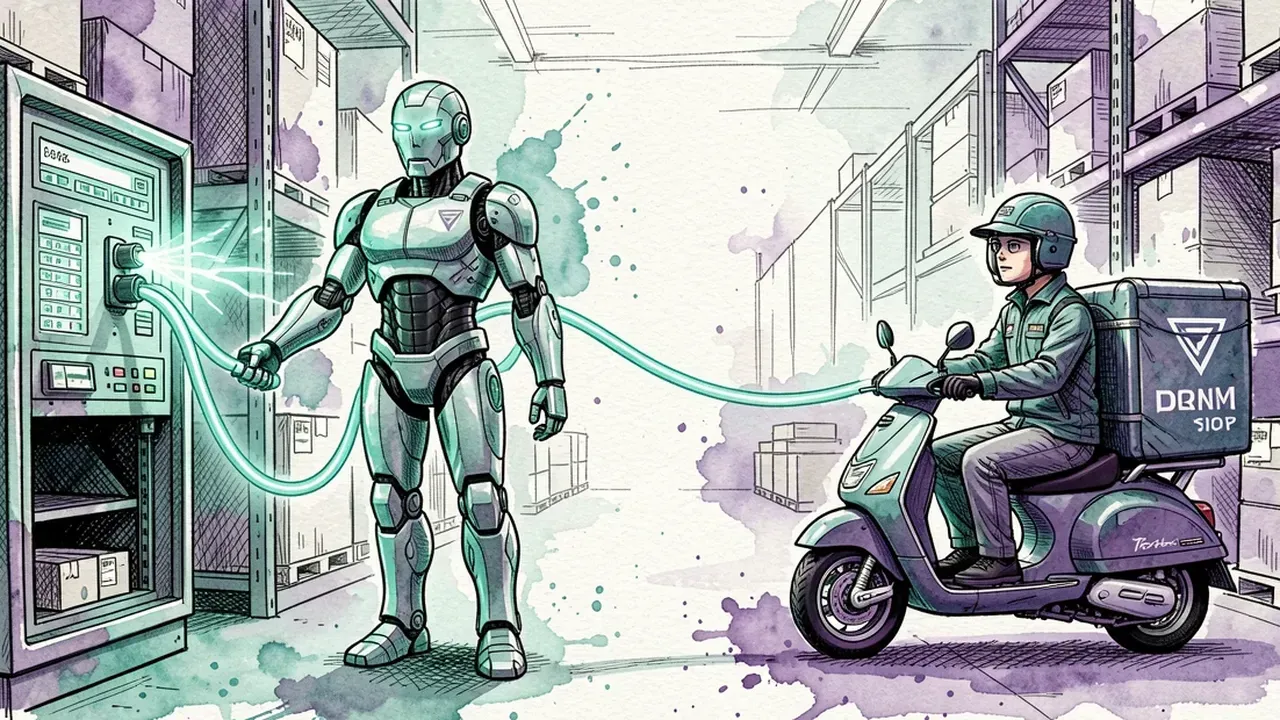
No pharmacy is switching its management system or delivery app just to get an AI agent. The agent that actually works is the one that checks the chain’s real inventory before confirming availability, and pulls the correct status straight from the logistics tool the pharmacy already uses, without inventing a delivery window. A chatbot that promises “yes, we have it in stock” without checking the real system generates more complaints than it solves, because the customer shows up at the store to find the product already sold out.
How this becomes an operation, not a one-off experiment
The real gain shows up when the agent is on duty during the hours the counter is closed, but follows the exact same policy as the chain: real prices, real stock, and the escalation rule to the pharmacist always active. That requires an agent configured with clear guardrails on what it can and can’t say, not a loose bot answering anything about medication on the pharmacy’s behalf.
What to track after automating
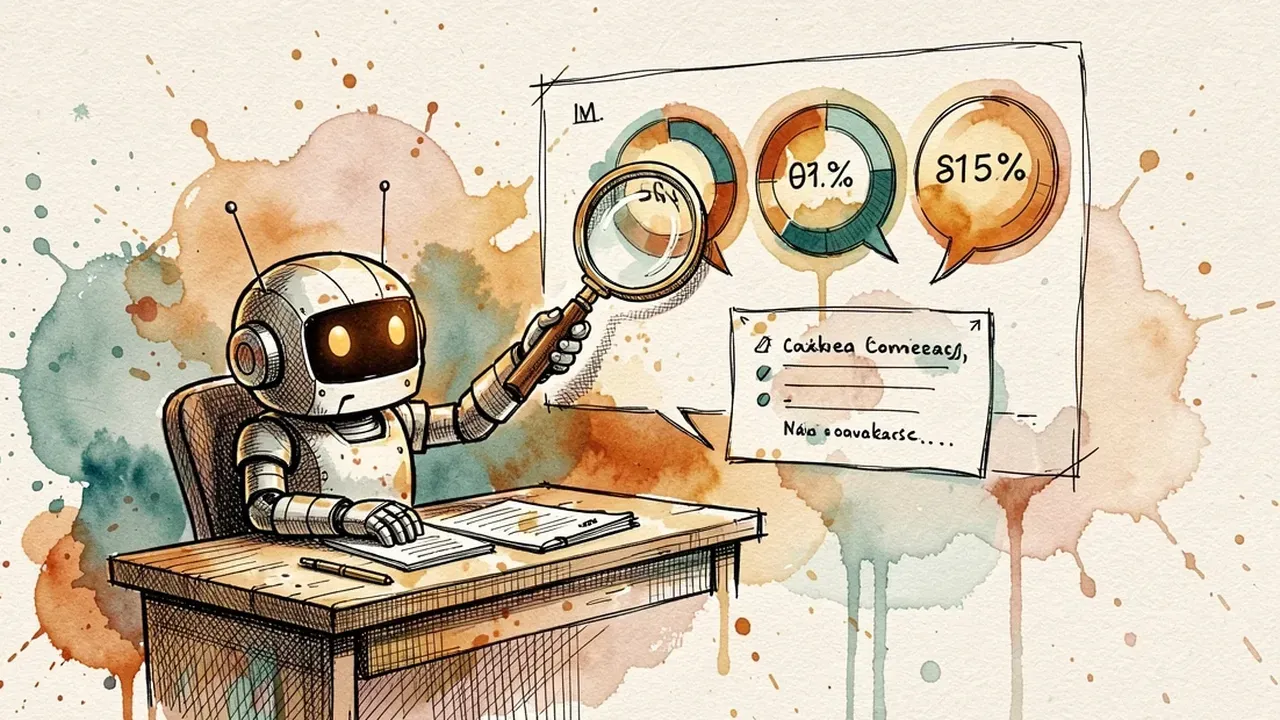
Putting the agent live is the start of a tuning routine, not the end of the work. Three numbers show whether it’s working: how long it takes to get a first response outside business hours (it should drop to seconds), how many conversations about stock and delivery the agent closes on its own without escalating, and how many times a week it correctly identifies a clinical question and hands it to the pharmacist instead of trying to answer it.
That last number matters more than the other two combined. Reviewing escalated conversations weekly, and paying even closer attention to the ones that should have been escalated and weren’t, is what keeps the agent’s safety line sharp, without having to rebuild the automation from scratch on every adjustment.
Bring your pharmacy or drugstore’s support to an agent that handles stock, delivery and refill reminders 24 hours a day on WhatsApp, with guardrails that block any attempt at clinical guidance before it leaves the right lane. SquadOS builds that agent by chatting, no prompt writing required, and keeps the line between automation and the pharmacist auditable from the very first message.