AI for Clinics and Medical Practices: Scheduling, Reminders and Intake Without Losing the Human Touch
AI for clinics and medical practices cuts no-shows, schedules appointments over WhatsApp and handles intake, without pulling patients away from a human when it matters.
On this page
A clinic’s front desk phone and WhatsApp ring at the same time, all day long. Booking an appointment, rescheduling, confirming, answering “does my insurance cover this?”, reminding someone about tomorrow’s exam. It is work that never stops, and when the front desk is overloaded, the patient pays the price: waiting on hold, an unanswered message, a no-show nobody remembered to prevent.
A missed appointment is not a minor detail. Every empty slot is lost revenue and a doctor’s schedule with a hole nobody warned about. The good news is that most of this friction is predictable and repetitive, exactly the kind of task a well-configured AI agent solves without pulling the patient away from human care when it actually matters.
The front-desk bottleneck that hiring more people does not scale
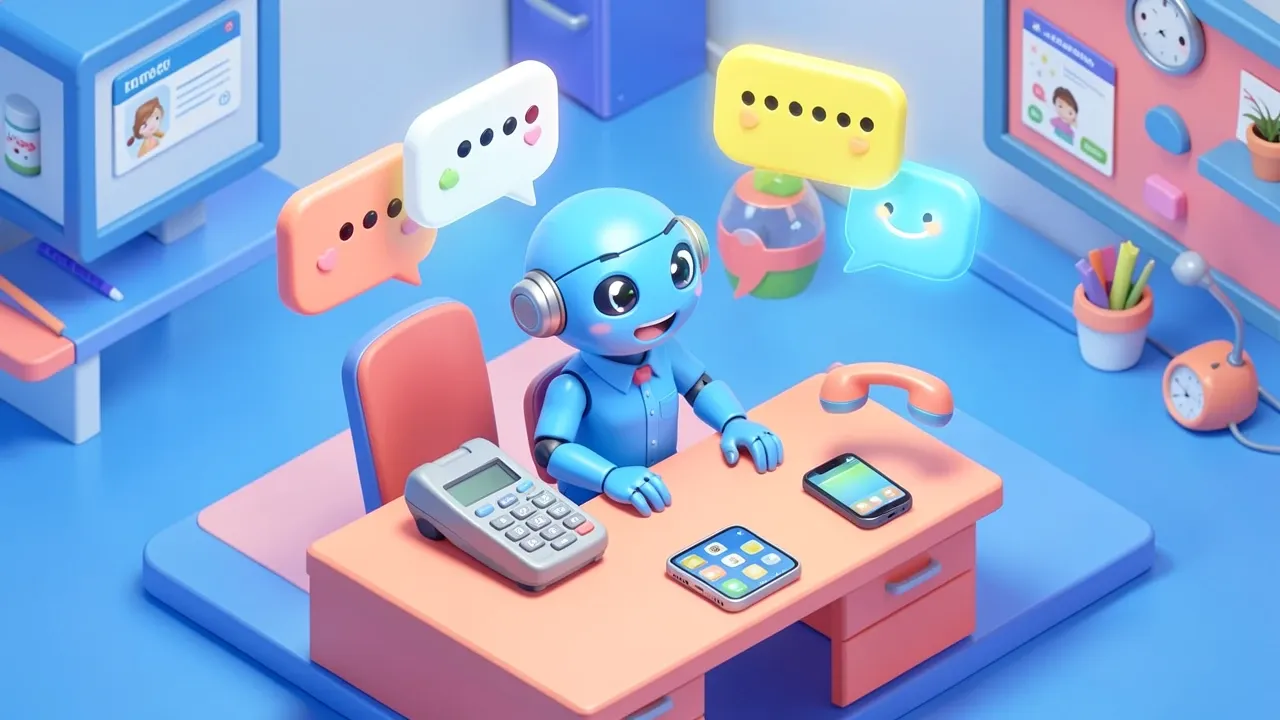
Hiring one more front-desk person solves it for a few months and disappears the moment the clinic grows again. The problem is not a lack of people, it is the volume of repetitive tasks competing with the volume of patients who need real attention. Confirming a time slot, rescheduling, answering an insurance question: none of that requires clinical judgment, but all of it eats into the time someone could be spending with the patient already sitting in the waiting room.
The clock also works against the clinic. A patient messages at 9pm asking to move their appointment to Friday, and the reply only comes Monday morning, by which point they have already given up and booked somewhere else. Every hour of silence outside business hours is a chance to lose the patient to whichever clinic answers first.
Where AI already solves it, without pulling the doctor from the center of care
The core idea is simple: AI handles the logistics, the healthcare professional handles the patient. That already runs today across four fronts in real clinics.
- WhatsApp scheduling, 24/7. The patient picks an available day and time by chatting, no need to call during business hours. The agent checks the real calendar and confirms instantly.
- Automatic reminders and confirmation. One or two days ahead, the agent sends a reminder and asks for confirmation. Whoever does not confirm frees the slot in time for another patient to take it, cutting no-shows at the root.
- Initial intake for the visit reason. Before the appointment, the agent collects symptoms, relevant history and the reason for the visit, organizing the information so the doctor gets straight to the point instead of losing the first minutes on intake questions.
- Recurring questions about insurance and exam prep. “Does my plan cover this visit?”, “do I need to fast beforehand?”: questions that repeat every week, answered instantly with the right insurance and exam data.
Notice the pattern: in none of these cases does the agent decide a diagnosis, prioritize clinical severity, or replace the doctor. It organizes, confirms and informs. The clinical decision stays entirely with the healthcare professional.
Where the red line sits, and why it protects the clinic
Healthcare is the field where the line between “AI helps” and “AI decides” needs to be clearer than in any other industry. An intake agent can organize the symptoms a patient reports, but it cannot and should not give a diagnosis, suggest treatment, or downplay a warning sign.
In practice, that becomes a rule built into the agent itself: any symptom that sounds like an emergency (chest pain, shortness of breath, abnormal bleeding) escalates straight to a human, without the patient getting stuck trading messages with a bot. Health data is also sensitive by nature, so every conversation stays logged and auditable, and the agent never invents insurance or availability information that did not come from the clinic’s real system.
That clear boundary is not a brake on automation. It is what makes a doctor comfortable putting the agent in front of the patient in the first place.
How to start without spooking the staff or the patient
The safest starting point is appointment reminders and confirmation. It is the lowest-risk, highest-volume front, with the fastest payoff: fewer no-shows within a few weeks, without touching any sensitive clinical information.
Once the team already trusts the agent, the natural next step is opening full WhatsApp scheduling, letting patients book and reschedule on their own outside business hours. Only after that does it make sense to move on to initial visit-reason intake, which needs more careful setup because it touches reported symptoms.
The most common mistake is trying to automate everything at once, including the part that should stay human. A clinic that gets it right treats AI as a front desk that never sleeps, not as a replacement for the healthcare professional.
Ready to stop losing appointments to missed confirmations and unanswered messages at 10pm? With SquadOS you build that agent by chatting, no code required: connect your clinic’s WhatsApp, set the guardrails that escalate any warning sign to a human instantly, and put scheduling, reminders and initial intake to work 24 hours a day, with an audit trail on every conversation.